
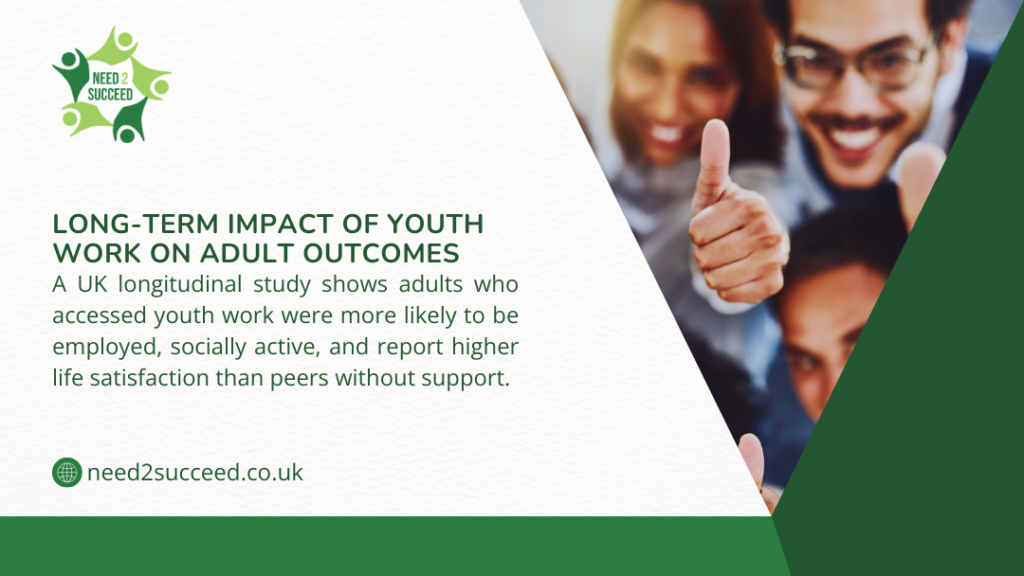
A 2024 UK Youth study looked at five different groups of young people from the 1970s to the 2000s. The research found something amazing:
Young people who got youth work support as teenagers ended up happier, healthier, wealthier and more active in their communities as adults.
A youth worker in the UK helps young people through some of the hardest years of their lives. If you care about making a real difference in your community, this career gives you both personal satisfaction and professional growth.
This guide shows you exactly what you need to know and the steps you can take on how to become a youth worker in the UK for 2025.
What Does a Youth Worker Do?
A youth worker in the UK, helps young people aged 11-25 deal with different problems they face. The job is way more than just watching over them or basic mentoring.
On any day, you might run group activities that help build confidence, give one-on-one support to someone dealing with family problems or create programs that help with things like mental health or job skills.
Daily Tasks That Make Up the Role Of A Youth Worker In the Uk
Youth workers do a mix of face-to-face work with young people and behind-the-scenes planning.
You spend time talking with teenagers about their goals and problems, with making safe spaces where they feel comfortable to share without fear.
Planning takes up a big part of your week too. You design activities. You work with other people like teachers or social workers and keep detailed notes about the young people you help.
Here’s what a normal week looks like:
| Day | Morning | Afternoon/Evening |
| Monday | Write notes and plan sessions | Run group session on life skills |
| Tuesday | Meet with schools | One-on-one mentoring |
| Wednesday | Build new programs | Youth club activities |
| Thursday | Training | Community outreach |
| Friday | Team meetings | Drop-in support |
Places Where Youth Workers Work
This job gives you different choices for where you can work. Some youth workers like the structure of schools. Others prefer community centers where they have more freedom.
Youth clubs hire youth workers to run regular programs. Local councils hire them to help in specific areas.
Charities that focus on homelessness, mental health, or youth crime also need qualified people. Some youth workers even work in homes where young people live because they can’t stay with their families.
| Work Setting | Pros | Cons |
| Schools/Colleges | Regular hours, term breaks | Less flexibility, more rules |
| Youth Clubs | Direct impact, fun activities | Evening/weekend work |
| Local Councils | Stable pay, good benefits | More paperwork, bureaucracy |
| Charities | Mission-driven, varied work | Less job security, lower pay |
Main Skills Every Youth Worker Needs
- Communication
Communication sits at the heart of this job. You need to talk with young people in ways they understand and this means changing your style all the time.
- Patience.
Patience matters more than most people think. Change happens slowly with teenagers and you might not see results very fast.
- Safeguarding knowledge is a must.
You need to spot signs of abuse. You need to know how to report problems the right way and understand your legal duties around child protection.
- Problem-solving skills.
Young people face tough situations with no easy answers. You need to think creatively about how to help them.
Why You Should Become a Youth Worker In The UK?
This job attracts people who care about social impact more than high pay or climbing the corporate ladder. If that sounds like you, here’s what makes this career worth it.
- Youth workers change lives in ways other jobs can’t and you become the trusted adult that some young people need but don’t have.
- When a teenager stays in school because of your support, that’s your impact.
- When someone gets confident enough to apply for their first job after working with you, you see the results directly.
These moments don’t happen every day. But when they do, they make all the hard parts worth it. We see youth workers who find deep meaning in these small wins that add up over time.
Youth workers often see changes that family members thought were impossible. That’s the power of being an outside voice who still cares about someone’s future.
This long-term impact is also recognised at a national level, with the UK government outlining how youth work supports wellbeing, skills development, and community engagement in its DCMS Youth Strategy.
To understand more about this, explore the real impact of youth workers on communities and people.
Is Youth Work the Right Career for You?
The job of being a youth worker needs emotional strength that some people don’t have. You need to deal with rejection a lot, teenagers will push you away and they’ll test your limits.
People who do well in this role share certain things. They stay calm under pressure, keep boundaries while still showing they care and accept that their work happens behind the scenes without public praise.
If you like predictable routines, youth work might be frustrating to you. Every day brings different problems and your planned session can go completely wrong because of something in a young person’s life.But what’s most important is that the people who are very good at being youth workers, are the ones who stay committed and don’t give up!! Because the progress you help a young person make is worth every challenge.
Routes to Become a Youth Worker in the UK
You have several ways to enter this job. Your choice depends on where you are now, how much time you have, and what you want long-term.
- University Degrees for Youth Work
A degree gives you the most complete route into professional youth work. Universities across the UK offer Youth Work or Community Development degrees that the National Youth Agency endorses.
These programs take three years full-time or longer part-time. You study youth development theory, social policy, and ways to help. You also do supervised placements.
Graduates can become professional youth workers. They can join the JNC framework. This opens doors to senior jobs and better pay.
The degree route works for people who want to reach management jobs eventually. It also works for people who like deep academic study before they start working.
| University Route Details | What You Get |
| Duration | 3 years full-time, 4-6 years part-time |
| Cost | £9,250/year tuition (England) |
| Qualification Level | Level 6 (Degree) |
| Career Access | Professional youth worker status, JNC roles |
| Best For | People aiming for management positions |
- College Qualifications and Vocational Training
If university doesn’t appeal to you or you need to start work sooner, college qualifications work well.
Further Education colleges offer certificates and diplomas at different levels. These programs focus heavily on hands-on skills and work placements rather than book learning.
You can do these qualifications part-time while working in related jobs. This helps you build experience and earn money at the same time.
Need 2 Succeed offers nationally accredited youth work courses from Level 1 through Level 4. They’re designed for people who need flexible study that fits around work and family.
- Apprenticeships in Youth Work
Apprenticeships mix paid work with training. You earn money while getting qualifications. This removes the money barrier that stops many people from entering the job.
Youth work apprenticeships usually last 12-18 months. You spend most of your time doing actual youth work. You also complete assignments and go to training sessions.
Places that hire apprentices include local councils, large charities, and youth service providers. Competition for these jobs can be tough because they’re such a good deal.
The apprenticeship route works for school leavers or career changers who can’t study full-time without income.
| Qualification Route | Time Needed | While Working? | Cost to You |
| University Degree | 3-6 years | Part-time options | £9,250+/year |
| College Diploma | 1-2 years | Yes | £0-3,000 |
| Apprenticeship | 12-18 months | Yes, paid | £0 (employer pays) |
| Volunteering to Quals | 2-4 years | Yes | Varies |
- Getting Started Through Volunteering
Many successful youth workers start as volunteers before getting formal qualifications. This way lets you test if the work suits you before you commit to training.
Volunteer roles exist everywhere. Sports clubs. Faith groups. Community centers. You might help run activities, support events, or help qualified workers with their programs.
This experience proves valuable when you apply for paid jobs or training courses later. Employers and schools want to see that you’ve spent time with young people in real settings.
Volunteering also helps you build a network in the sector. This often leads to job offers before they’re publicly advertised.
Other Ways to Being A Youth Worker
Some people get into youth work through related jobs. Then they get qualifications while working. Teaching assistants, sports coaches, and community volunteers sometimes change careers this way.
If you already work with young people in any way, you might only need specific youth work training. You don’t have to start from scratch.
Check with employers in your area about what they need. Some accept similar experience from related fields, especially if you’re willing to do extra training.
Youth Work Qualification Levels Explained
The qualification system can confuse people new to the sector. Here’s what each level actually means for your career.
- Entry-Level Certificates (Level 1 and 2)
Level 1 and Level 2 certificates teach you basic youth work concepts. These courses usually take a few months and you don’t need any previous qualifications.
You learn about safeguarding, activity planning, and basic communication. The courses include some hands-on work with young people under supervision.
These qualifications work well for volunteers who want to make their knowledge official. They also work for people testing if youth work suits them before longer training.
Need 2 Succeed delivers these entry courses in flexible formats. They fit around your life whether you prefer classroom sessions or online study.
- Intermediate Diplomas (Level 3)
Level 3 qualifications are a big step up. You study youth development theory, social things that affect young people, and how to plan good help.
These diplomas usually take one to two years part-time. You do supervised practice hours along with coursework. This means you need access to a youth work setting.
Many employers accept Level 3 as the minimum for paid youth worker jobs. It proves you understand the job beyond just liking young people.
The courses cover topics like mental health awareness, drug problems, youth justice, and working with different communities. You also learn evaluation and reflective practice.
Learning the difference between level 2 vs level 3 youth work qualifications helps you pick the right path for your goals.
| Qualification Level | What It Proves | Job Access | Pay Range |
| Level 1 | Basic awareness | Volunteer roles | Unpaid |
| Level 2 | Foundation knowledge | Assistant roles | £18,000-20,000 |
| Level 3 | Professional competence | Youth worker roles | £20,000-26,000 |
| Level 6 (Degree) | Professional status | Senior roles, JNC | £26,000-35,000+ |
- Professional Qualifications (Level 6 and Higher)
Level 6 qualifications (degree level) make you a professional youth worker. These programs meet the National Youth Agency’s endorsement rules.
You do detailed study of youth policy, advanced practice methods, and leadership skills. The placement requirements are much bigger than at lower levels.
People with professional qualifications can move into senior jobs, team leadership, and planning roles. Your earning potential goes up a lot with this level of training.
Some universities offer postgraduate routes for people who have degrees in other subjects. These programs take 1-2 years and lead to professional youth worker status.
- JNC Recognition and What It Means
The JNC framework sets pay scales and conditions for youth workers in local authorities and some big organizations. Only professionally qualified workers can get these jobs.
JNC recognition matters if you want job security, better pensions, and clear career growth. Private sector and small charity jobs may not follow this framework.
Professional status also lets you join professional groups. You can access advanced training that’s only for qualified people.
Skills and Experience Employers Want
Qualifications open doors. But employers look for specific abilities when they hire youth workers.
- Communication Skills That Build Trust
You need to talk with young people in ways that feel real, not forced or talking down. This means dropping professional talk and speaking plainly about real problems.
Active listening matters more than talking. Young people want adults who actually hear what they’re saying, not just waiting for their turn to give advice.
You also talk all the time with parents, teachers, social workers, and other professionals. Each group needs a different approach. You switch between these styles many times per day.
- Empathy Without Losing Professional Boundaries
Empathy helps you connect with young people’s experiences. But you can’t let it turn into unhealthy relationships or burnout.
You need to care genuinely about the young people you work with. At the same time, you keep appropriate professional distance. This balance takes time to learn. It needs constant self-awareness.
Some situations will trigger your own emotions or memories. Professional youth workers recognize these moments. They handle them the right way rather than letting personal feelings drive their responses.
- Safeguarding Knowledge You Can’t Skip
Every youth worker must do safeguarding training before working with young people. This covers recognizing abuse signs, reporting steps, and your legal duties.
You need to know the difference between a worry that needs action right now and one that needs watching over time. These choices can feel heavy but they’re central to the role.
Understanding confidentiality limits is crucial. Young people need to know when you can keep their information private. They need to know when you’re legally required to share it with others.
| Essential Skill | Why It Matters | How to Develop It |
| Communication | Build trust with teens | Volunteer, practice active listening |
| Patience | Change takes time | Work with young people in any setting |
| Safeguarding | Legal requirement, protects young people | Complete certified training courses |
| Problem-solving | Every day brings new challenges | Gain experience in youth settings |
| Boundaries | Prevents burnout, keeps relationships healthy | Professional supervision, reflection |
- Practical Skills That Make Programs Work
Youth workers plan activities, manage budgets, write reports, and check their impact. These admin tasks take up more time than many people expect.
You need basic project management skills to deliver programs on time and within budget. This includes booking venues, getting resources, and managing sign-ups.
Digital skills help more and more as youth work happens online or uses apps and social media. You don’t need to be a tech expert. But basic skills with common platforms are a must.
Experience Requirements Before You Can Start
Most training programs and employers want proof that you’ve spent time with young people before they accept you. This protects both you and the young people you’ll work with.
Volunteering for 3-6 months in a youth setting shows commitment and gives you stories to share in applications and interviews. Even if the role seems basic, it proves you understand what youth work actually involves.
Some people get this experience through coaching sports teams, running youth groups at places of worship, or helping with after-school programs. Any regular contact with young people in a structured setting counts.
Job Prospects and Salary Expectations for Youth Workers
Knowing what you can earn and how your career might grow helps you make realistic choices about entering this job.
Starting Salaries Across Different Sectors
Entry-level youth workers in the UK usually earn between £18,000 and £24,000 per year. The exact number depends on your location, employer type, and if you work full-time.
London and the South East pay higher wages but also have much higher living costs. Northern areas and rural places offer lower salaries but money often goes further there.
| Employer Type | Starting Salary | Contract Type | Benefits |
| Local Authority | £22,000-£26,000 | Permanent | Pension, sick pay, holidays |
| Large Charity | £20,000-£24,000 | Often fixed-term | Some benefits |
| Small Community Org | £18,000-£22,000 | Often part-time | Limited benefits |
| Youth Justice | £24,000-£28,000 | Permanent | Good benefits, specialized |
Many jobs start as part-time or fixed-term contracts tied to specific funding. This reality frustrates people looking for stable work. But it shows how youth services are funded in the UK.
Career Growth and Senior Roles
With experience and extra qualifications, youth workers move into roles with more responsibility and better pay.
Senior youth workers usually earn £28,000 to £35,000. They supervise other workers. They manage specific projects. They do more planning work.
Team leaders and service managers can earn £35,000 to £45,000. These jobs involve budget management, partnership work, and service design rather than direct work with young people.
Some youth workers move into related fields like social work, education management, or policy development. The skills transfer well. These sectors sometimes offer better pay.
Job Market Reality in 2025
Youth work jobs exist across the UK but competition varies by area. Places with strong local authority support have more permanent jobs available.
The shift toward community-based rather than center-based youth work continues. This means more roles need workers to be mobile and flexible about where they deliver programs.
Special skills in mental health support, digital youth work, or working with specific communities (like refugees) make you more employable.
| Career Stage | Typical Salary | Typical Age | Key Responsibilities |
| Entry Youth Worker | £18,000-£24,000 | 21-30 | Direct delivery, group work |
| Experienced Worker | £24,000-£30,000 | 28-40 | Lead sessions, mentor volunteers |
| Senior Practitioner | £28,000-£35,000 | 35-45 | Supervise staff, manage projects |
| Team Leader/Manager | £35,000-£45,000 | 40+ | Budget, strategy, partnerships |
Practical Tips for Career Starters
These steps help you move from interested in youth work to actually working in the sector.
- Finding Volunteering and Work Experience
Start by searching online for volunteer roles in your local area. Websites like Do-it and Reach Volunteering list thousands of opportunities with youth organizations.
Contact community centers, youth clubs, and sports organizations directly. Many welcome volunteers but don’t actively advertise. They rely on word-of-mouth recruitment.
Tell people in your network that you’re looking for youth work experience. Personal connections often lead to opportunities that never appear on job boards.
Commit to at least six months once you start volunteering. Short stints don’t give you enough time to build relationships with young people. They don’t show reliability to potential employers either.
- Building a Youth Work CV That Gets Noticed
Your CV needs to highlight relevant experience with young people. Even if it wasn’t formal youth work. Coaching, tutoring, babysitting, or mentoring all count.
Focus on specific examples rather than general statements. Instead of “good with young people,” write “supported 12 teenagers through their Duke of Edinburgh Bronze Award, with 100% completion rate.”
Include any safeguarding training, first aid certificates, or relevant short courses. These show you take the work seriously. They show you understand professional requirements.
Mention your motivation clearly. Employers want to know why you want to do this specific job rather than just needing any work.
| CV Section | What to Include | Example |
| Personal Statement | Your motivation for youth work | “Passionate about supporting young people after volunteering at local youth club for 2 years” |
| Experience | Specific examples with young people | “Mentored 8 young people, 6 progressed to further education” |
| Skills | Relevant abilities with evidence | “Safeguarding Level 2, First Aid certified, conflict resolution training” |
| Qualifications | Youth work certs, relevant degrees | “Level 3 Diploma in Youth Work Practice (in progress)” |
- Interview Preparation for Youth Work
Youth work interviews almost always include scenario questions. Prepare examples of how you’ve handled hard situations, built relationships with reluctant young people, or worked as part of a team.
Expect questions about safeguarding. You’ll likely face a scenario about potential harm to a young person. You need to explain exactly what you’d do.
Bring examples of activities you’ve run or would like to run. Some interviews include practical parts where you plan or deliver a short session.
Research the organization thoroughly. Know what population they serve. Know what approaches they use. Know what challenges they currently face in their work.
Continuing Development After You Start
Youth work needs ongoing learning throughout your career. Sectors change. Best practices evolve. Young people’s needs shift with society.
Take advantage of CPD opportunities your employer offers. These might include workshops on specific issues like county lines exploitation. Or training in new help methods.
Join professional networks where youth workers share resources and support each other. These connections help you stay current. They provide emotional support during hard periods.
Start Your Youth Work Journey With Training You Can Trust
Need 2 Succeed has been helping people become youth workers for over 18 years. They have already trained more than 800 professionals who now work in schools, charities, and community programs across the UK.
Their courses are made for real life, with simple lessons, clear support, and trainers who understand what new learners need.
They offer Youth Work Certificates from Level 1 to Level 4, so you can start at the level that fits you best. Whether you’re just beginning or ready to move up in your career, their training gives you the skills and confidence to work with young people safely and professionally.
If you want to learn how we can help you become a professional youth worker in the UK, you can get in touch with us.
FAQs On How to Become a Youth Worker in the UK
Do I need a degree to become a youth worker?
No, you don’t need a degree to work as a youth worker. Many people start with Level 2 or Level 3 qualifications and build successful careers.
However, professional youth worker status and access to senior jobs usually need degree-level qualifications endorsed by the National Youth Agency. Your career ceiling is lower without higher qualifications.
Is volunteering experience enough to get paid work?
Volunteering alone rarely leads directly to paid youth work jobs. You need at least some formal qualification alongside your practical experience.
That said, strong volunteering experience makes you much more competitive when applying for training programs and entry-level roles. Employers value proven commitment to working with young people.
What jobs can I get without formal youth work qualifications?
Youth support worker, activity coordinator, and youth engagement assistant roles sometimes accept people without specific youth work qualifications if they have relevant experience.
These jobs pay less than qualified youth worker roles. They offer fewer growth opportunities. Most organizations expect you to gain qualifications while in the job.
How long does it take to become fully qualified?
The timeline varies based on your chosen route. A full-time university degree takes three years. Part-time Level 3 diplomas usually take 1-2 years.
If you start volunteering, then do Level 2, then Level 3, then work toward professional qualification, you’re looking at 4-6 years to become fully qualified while working.
Can I work as a youth worker with a criminal record?
It depends entirely on what your offenses were. All youth work jobs need enhanced DBS checks that show spent and unspent convictions.
Minor offenses from many years ago may not stop employment. But anything with violence, drugs, or offenses against children will almost certainly disqualify you. Be honest from the start rather than wasting time on training you can’t use.